

Avoid costly mistakes and permanent damage. Discover the cleaning products, harsh chemicals, and abrasive tools you should never use on custom window blinds, shades, and shutters in your Las Vegas home or business.
When maintaining custom window treatments, there are several things you should never use to clean window blinds if you want to avoid permanent damage. Crucially, you must never use harsh chemical solvents like bleach, ammonia, or acetone, as they strip protective UV coatings, discolor plastics, and dissolve wood finishes.
Additionally, you should never submerge real wood blinds or fabric cellular shades in water, which causes wood to warp and fabrics to shrink or water-stain. Avoid abrasive scouring pads, stiff wire brushes, and high-heat steam cleaners, all of which scratch slat surfaces, melt synthetic fibers, and destroy delicate lift mechanisms.
Instead, safe maintenance relies on microfiber dusting cloths, gentle dish soap diluted in warm water (for approved composite or vinyl materials), and careful vacuuming with a soft brush attachment.
Maintaining window coverings in Las Vegas, Summerlin, Henderson, and surrounding Clark County communities presents unique challenges. The local climate is characterized by dry desert air, fine airborne dust, and intense UV exposure. Over time, desert dust settles onto horizontal slats, cellular pockets, and shutter louvers, mixing with indoor humidity to create a stubborn film.
When homeowners notice this buildup, the temptation is often to grab the nearest household cleaner, bleach spray, or abrasive sponge to scrub the blinds clean quickly. Unfortunately, using the wrong cleaning products can instantly ruin expensive custom window treatments. Harsh chemicals break down synthetic binders, bleach discolors neutral tones, and excess moisture warps natural wood.
Whether you are a residential homeowner, a landlord managing multi-unit rentals, or a commercial property operator maintaining storefront shades, knowing what not to use is the first step toward preserving the beauty, mechanical integrity, and lifespan of your custom-fit window coverings.
Many people assume that a powerful disinfectant like bleach or a strong grease-cutter containing ammonia is the best way to tackle dirty window blinds. In reality, these aggressive chemical agents are disastrous for window treatments.
The Damage They Cause:
Bleach and ammonia are highly alkaline and corrosive. When applied to faux wood, aluminum, or vinyl blinds, they break down the chemical composition of the material, leading to yellowing, brittleness, and chalky surface degradation. Furthermore, custom blinds and shades are treated with specialized UV-inhibiting factory coatings designed to withstand the harsh Las Vegas sun. Harsh chemical cleaners strip these protective layers away instantly, leaving your window treatments vulnerable to rapid sun-fading and cracking.

A common misconception is that window blinds can be taken down and soaked in a bathtub filled with water and soap. While this technique might occasionally work for cheap, all-plastic vertical slats, it is catastrophic for premium custom products.
Real Wood Blinds and Shutters: Wood is a natural, porous material. Submerging real wood blinds or shutters in water causes the wood to absorb moisture unevenly, resulting in severe warping, splitting, and joint separation. Once wood warps, the slats will no longer close flat.
Fabric Shades (Cellular, Roman, Zebra): Submerging fabric shades destroys their internal stiffeners, ruins blackout linings, and causes catastrophic shrinkage. Once a fabric shade shrinks or water-stains, it cannot be stretched back into place and must be completely replaced.
When tackling stubborn dust or fingerprints, some homeowners reach for green Scotch-Brite scrubbing pads, steel wool, or stiff-bristled utility brushes. This is a critical mistake.
Abrasive scouring pads act like sandpaper on window treatments. They instantly scratch the smooth factory finish of aluminum, composite, and faux wood blinds. These microscopic scratches not only ruin the visual aesthetic by creating dull, hazy patches on the slats, but they also create tiny crevices where future desert dust and grime will cling even more stubbornly, making future cleaning exponentially harder.
Garment steamers have become popular household tools for removing wrinkles from clothing, leading some people to use them on fabric shades or vertical blinds to loosen dust. Unregulated high-heat steam is dangerous for several reasons:
Before performing routine maintenance on your custom window treatments, safely evaluate your window coverings using this checklist:
Safety Warning: Do not stand on rolling office chairs or unstable furniture to reach high window blinds. Always use a sturdy, OSHA-approved stepladder and maintain three points of contact when cleaning elevated window treatments.
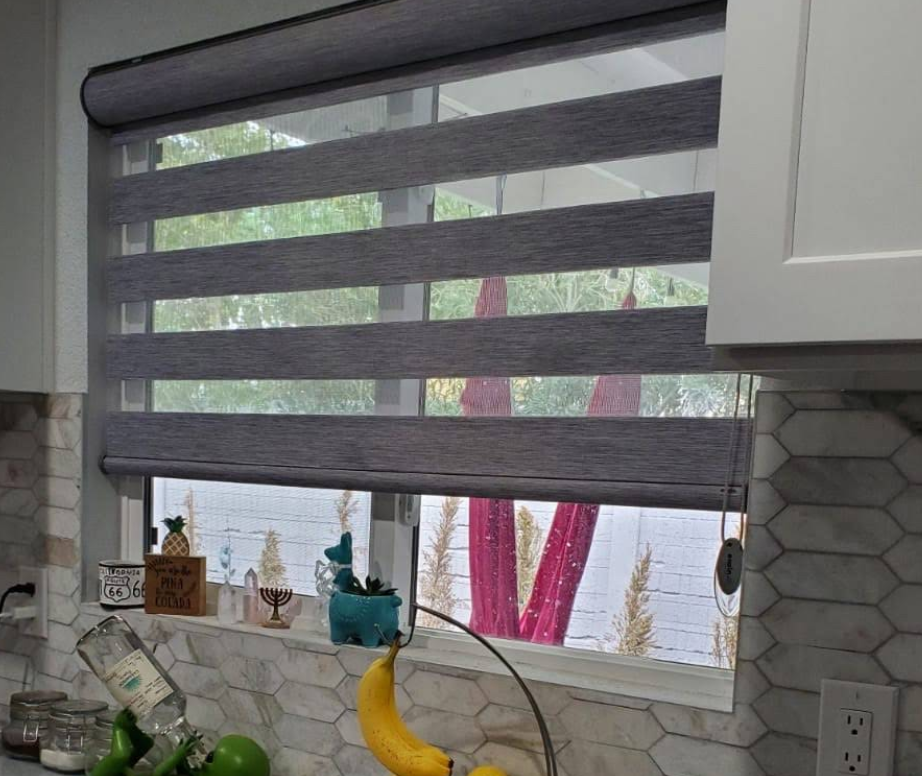
Review this clear breakdown of what to avoid and what to use safely when maintaining your custom window treatments.
| Cleaning Task / Material | DANGEROUS (Never Use) | SAFE & RECOMMENDED (Use Instead) |
|---|---|---|
| General Dusting (All Blinds) | Feather dusters that merely scatter dust into the air; stiff bristle brushes. | Microfiber dusting mitts, electrostatic cloths, or a vacuum with a soft brush attachment. |
| Real Wood Blinds & Shutters | Bleach, ammonia, soaking in water, multi-purpose chemical sprays. | Dry microfiber cloth, or a barely damp cloth buffed dry immediately. |
| Composite & Faux Wood Blinds | Abrasive scouring pads, steel wool, acetone, concentrated solvents. | Warm water mixed with a single drop of mild dish soap on a damp microfiber cloth. |
| Fabric Shades (Cellular, Roman) | Washing machines, soaking, scrubbing, high-heat steam cleaners. | Gentle vacuuming with a soft brush tool; professional ultrasonic cleaning for stubborn stains. |
| Aluminum / Vinyl Blinds | Oven cleaners, harsh industrial degreasers, abrasive powders. | Mild dish soap solution or specialized anti-static blind cleaning spray. |
Despite best intentions, accidents happen. Using the wrong cleaning method can result in warped wood, shrunken fabric, or scratched slats. Knowing when to repair versus when to replace is essential.
If a cleaning mishap resulted in a minor mechanical issue—such as a snapped tilt wand while wiping down a blind, or a loose mounting bracket—repairing the component is quick and cost-effective. Similarly, if a single composite slat on a custom blind was scratched or stained beyond cleaning, a local specialist can often replace just that individual slat rather than the entire unit.
Unfortunately, chemical and water damage is rarely reversible. You should plan for a full replacement upgrade if:
When budgeting for replacement, remember that custom-fit pricing depends on exact window dimensions, material quality, and professional installation. Avoid misleading online fixed-price offers that fail to account for custom fabrication.
Proper maintenance in Clark County must account for local environmental conditions. Las Vegas experiences a dry desert climate accompanied by fine airborne dust, construction debris, and intense seasonal winds.
This fine dust acts like a micro-abrasive. If you attempt to clean dusty blinds by aggressively rubbing them with a dry paper towel or a rough cloth, you are essentially dragging microscopic grit across the surface, scratching the finish. Instead, local maintenance requires capturing dust gently using electrostatic microfiber materials or vacuum suction before introducing any moisture.
Furthermore, because the dry desert heat causes plastics and painted surfaces to cure and become brittle over time, using harsh chemical solvents accelerates this aging process. Treating your custom window treatments with gentle, approved cleaning techniques ensures they retain their structural flexibility and visual appeal for years.
If your custom window treatments require deep cleaning, repair, or replacement, consult a professional and ask these critical questions:
Watch out for these warning signs when hiring third-party cleaning or repair providers for your window coverings:
Las Vegas Blinds, Solar Screens & Shutters Window Coverings Center is a strong local option for homeowners, property managers, landlords, and commercial operators who want honest guidance on maintaining, repairing, or replacing custom window treatments. We understand how local desert dust, heat, and UV exposure impact your blinds, shades, and shutters.
Whether you need expert advice on safe maintenance, minor hardware repairs, or a complete upgrade to energy-efficient window coverings Las Vegas property owners trust, our local team provides professional measurement, custom-fit products, and expert installation.
Avoid the risks of unverified online cleaning tips and generic big-box store products. Partner with a dedicated local window-covering company serving Las Vegas and nearby Clark County communities.
Contact Us Today:
Phone: (702) 237-4401
Website: lasvegaswindowcoveringscenter.com
Find Us: View our Google Maps location
We provide professional consultation, custom measurement, and expert installation services from our Las Vegas location to residential and commercial properties throughout these Clark County communities:
Call Las Vegas Blinds, Solar Screens & Shutters Window Coverings Center at (702) 237-4401 to discuss custom blinds, solar screens, shutters, shades, or replacement options in Las Vegas and nearby Clark County communities.