

Window Treatments That Keep Cold Out
Compare cellular shades, shutters, lined Roman shades, curtains and layered treatments for cold-feeling or drafty windows in Las Vegas homes.
Which Window Treatments Help Keep Cold Out?
Tightly fitted cellular or honeycomb shades are usually the strongest interior window-treatment option for reducing winter heat loss and the cold sensation near glass. Their enclosed cells trap air, and a close fit at the sides and bottom limits room air from circulating across the cold window surface. Double-cell fabrics, side tracks and careful mounting can improve performance, depending on the product.
Plantation shutters, lined Roman shades, thermal curtains and layered systems can also improve comfort. Shutters create an additional barrier with adjustable louvers. Lined Roman shades add fabric mass and coverage. Curtains work best when they extend beyond the frame and close near the wall, sill or floor. The most effective solution is the one that fits tightly, covers the glass completely and is used consistently during cold periods.
Window treatments do not repair failed seals, damaged weatherstripping or actual air leaks. If a window is visibly drafty, has damaged caulk, condensation between panes or a loose frame, weatherization or window service may be necessary. In Las Vegas, insulating treatments can help during cold desert nights while still being selected for strong sun and heat during the rest of the year.
Why Las Vegas Homes Can Feel Cold Near Windows
Las Vegas is known for extreme summer heat, but winter nights can feel surprisingly cold, especially in homes with large glass areas, older windows, high ceilings or rooms positioned away from the central HVAC supply. The outdoor temperature may not resemble a northern winter, yet occupants can still feel chilled when sitting near glass.
Cold-window discomfort does not always mean outdoor air is actively blowing into the room. Glass surfaces lose heat faster than insulated walls. When the inside surface of the glass becomes cold, nearby body heat radiates toward it, creating a cold sensation. Room air also cools when it contacts the glass, falls toward the floor and creates a slow convective current that can feel like a draft.
True air leakage may add to the problem. Gaps at sash joints, worn weatherstripping, unsealed trim, poorly fitted sliding doors and penetrations around the frame can allow outdoor air to enter. A window covering can reduce circulation around the glass, but it cannot permanently seal a defective opening.
Summerlin, Sun City Summerlin, The Lakes, Desert Shores, Spring Valley, Enterprise, Henderson and older Las Vegas neighborhoods include a wide mix of construction. Some homes have expansive modern windows; others have aluminum-framed or aging units that feel noticeably cold after sunset. A useful window-treatment plan begins by identifying whether the main problem is radiant cold, air leakage, uncovered glass or all three.
How Window Treatments Reduce Cold-Weather Discomfort
They create an insulating air layer
A window covering traps air between the room and the glass. Still air slows heat transfer better than constantly moving air. Cellular shades are specifically designed to create enclosed air pockets, but shutters, Roman shades and curtains also form a buffer when fitted close to the opening.
They limit convective air movement
Without a covering, warm room air reaches the glass, cools and falls. A tight shade reduces that circulation. Large side gaps, open bottoms and loose-fitting treatments allow more air movement, which reduces the insulating effect.
They reduce radiant heat loss
People seated near a cold window can feel chilled even when the thermostat is comfortable. Covering the cold glass surface with fabric or a solid shutter changes the interior surface occupants face, which can improve perceived comfort.
They help manage room-by-room comfort
A treatment can make a bedroom, breakfast nook or home office more comfortable without raising the thermostat for the entire home. This does not guarantee a specific energy saving, but it can reduce the need to compensate for one uncomfortable window.
Fit matters as much as material
An expensive insulating fabric with large gaps can underperform a simpler product that fits closely. Side clearance, headrail position, bottom contact, mounting depth and window squareness all affect real performance.
Best Window Treatments for Keeping Cold Out
Cellular or honeycomb shades
Cellular shades are generally the first product to compare for winter insulation. Their honeycomb structure creates one or more rows of air pockets. Single-cell shades provide a clean profile, while double-cell versions add another layer of trapped air. The exact benefit depends on cell size, fabric, fit and operation.
For drafty-feeling windows, a close inside mount may work well when the opening is square and deep enough. An outside mount can overlap the frame and reduce edge gaps. Some specialty systems use side tracks or channels for tighter coverage. Light-filtering, room-darkening and blackout fabrics are available, but blackout performance applies to light passing through the fabric, not necessarily the perimeter.
Plantation shutters
Plantation shutters create a rigid interior barrier with a frame and adjustable louvers. Composite shutters can be useful in Las Vegas because they combine light control, durability and a substantial architectural surface. When the louvers are fully closed, the shutter reduces direct exposure to cold glass.
Shutters are not airtight. Small gaps remain between louvers, panels and frame components. Their main advantages are durability, adjustable light control and a permanent appearance. They may be a strong whole-home choice for owners who want year-round light management rather than maximum winter-only insulation.
Lined Roman shades
Roman shades use fabric that folds as it rises. A lining adds material and can improve privacy, room darkening and winter comfort. An outside mount that overlaps the frame can reduce edge exposure. Interlining or thermal lining may add more body, but the product becomes heavier and creates a larger stack.
Thermal curtains and drapery
Heavy curtains can help when they extend above, below and beyond the window. Floor-length panels, close wall returns and a covered top reduce air circulation. A decorative cornice or pelmet can limit warm air from entering at the top and falling behind the fabric.
Layered shades and curtains
Combining a cellular shade with curtains creates multiple air spaces and flexible control. The shade provides close coverage; the drapery overlaps the frame. This approach can be effective in bedrooms, media rooms and formal living areas where privacy and room darkening are also priorities.
Roller shades
Standard roller shades have a flat profile and can reduce direct exposure to glass, but ordinary fabrics do not create the same enclosed air pockets as cellular shades. They may still improve comfort when outside-mounted with generous overlap. Insulating or lined roller materials vary by manufacturer and should be evaluated using product-specific data.
Faux-wood blinds
Faux-wood blinds provide adjustable slats but leave many small gaps. They are useful for privacy and light control but are generally not the strongest option when winter insulation is the main goal. Pairing them with curtains can improve coverage.
Solar shades
Solar shades are designed primarily for glare and solar heat management, not for keeping winter cold out. Their open weave preserves some view but allows air movement. They can be valuable year-round in Las Vegas, especially on sunny exposures, but a cellular or lined product is usually more appropriate for cold-window comfort.
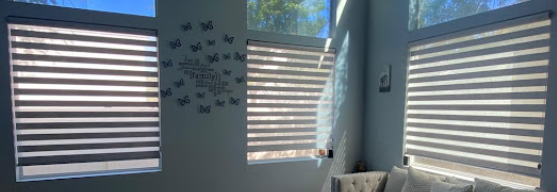
Insulating Window-Treatment Comparison
| Product | Cold-Weather Comfort | Light Control | Privacy | Cleaning | Best Application | Main Limitation |
|---|---|---|---|---|---|---|
| Cellular shade | Strong when tightly fitted | Light-filtering to blackout | Strong with appropriate fabric | Gentle dusting or vacuuming | Bedrooms, offices, living rooms | Side gaps reduce performance |
| Double-cell cellular shade | Potentially stronger than single-cell | Varies by fabric | Strong | Gentle care | Cold-feeling windows and bedrooms | Thicker stack and higher cost |
| Plantation shutter | Moderate to strong comfort improvement | Excellent adjustable control | Strong when closed | Louvers can be wiped | Whole-home architectural treatment | Not airtight and more permanent |
| Lined Roman shade | Moderate to strong | Good | Strong with lining | Fabric-specific | Decorative bedrooms and living rooms | Folds and heavier fabric require care |
| Thermal curtain | Strong when oversized and sealed closely | Good to blackout | Strong | Fabric-specific | Bedrooms, sliding doors, large windows | Needs wall space and can block registers |
| Roller shade | Moderate depending on material and overlap | Broad range | Broad range | Often straightforward | Modern rooms and offices | No honeycomb air pockets |
| Faux-wood blind | Limited to moderate | Excellent adjustable control | Good | Slats require dusting | Kitchens, rentals and general rooms | Air passes through slat gaps |
| Solar shade | Limited winter insulation | Strong glare control | Daytime only with open weave | Fabric-specific | Sunny west-facing windows | Designed more for solar control than cold |
Why Fit and Installation Matter More Than Most Buyers Expect
Inside mounts
An inside-mounted shade sits within the window opening. It looks clean and leaves trim visible, but operating clearance creates small side gaps. If the opening is out of square, the shade must be sized to the narrowest point, which can increase those gaps.
Outside mounts
An outside mount overlaps the frame and can reduce exposed glass at the edges. It may provide better coverage for cold-window comfort and room darkening. The mounting surface must be secure, and the shade should not interfere with trim, handles or furniture.
Bottom contact
A shade that stops above the sill allows air circulation beneath it. Proper drop and hem-bar position help close the lower gap. Deep or uneven sills can complicate the fit.
Top gaps
Warm air can enter behind curtains at the top, cool near the glass and fall into the room. Cornices, valances and close-mounted rods can reduce this loop. Roller and cellular headrails should be installed according to the system design.
Window squareness
Older Las Vegas homes may have openings that are not perfectly square. Measuring width and height at multiple points helps avoid binding and unexpected gaps. Copying dimensions from an existing poorly fitted shade can repeat the same problem.
Sliding glass doors
Large glass doors can feel cold at night. Vertical cellular systems, panel tracks, curtains and certain roller products may work, depending on access and handle clearance. The treatment must not interfere with door operation or egress.
Room-by-Room Recommendations
Bedrooms
Room-darkening cellular shades or layered cellular shades and curtains can improve comfort, privacy and sleep conditions. Outside mounting may reduce light and cold exposure at the edges.
Living rooms
Cellular shades, shutters or lined Roman shades can reduce the cold sensation near seating. Consider daytime sun and the desired view before choosing an opaque material.
Home offices
Light-filtering cellular shades can soften glare while improving winter comfort. Top-down bottom-up operation may preserve daylight above eye level.
Dining rooms
Lined Roman shades or shutters provide a finished appearance and reduce direct exposure to cold glass during evening meals.
Bathrooms
Moisture tolerance matters. Composite shutters or suitable cellular products may be considered, but ventilation and condensation should be evaluated.
Kitchens
Easy-clean materials and clearance from sinks or cooking surfaces are priorities. Shutters or faux-wood blinds may be more practical than heavy fabric, though they are not the strongest insulators.
Nurseries
Cordless cellular shades can combine comfort, privacy and safer operation. Keep cribs and furniture away from windows and follow product-safety guidance.
Sliding-door rooms
Consider vertical cellular shades, curtains or panel systems that allow everyday door access while covering large areas of glass at night.
Commercial offices
Cellular or dual roller systems can improve perimeter comfort. Product choice should account for cleaning and building requirements identified by the property team.
Safe Checks for Cold or Drafty Windows
Safe checks
- Feel for cold air around sash joints and trim without removing components.
- Look for visible gaps, damaged caulk or worn weatherstripping.
- Check for condensation between panes, which may suggest a failed seal.
- Observe whether curtains move when the HVAC system is off.
- Note which windows feel coldest after sunset.
- Measure visible width and height for preliminary planning.
- Check mounting depth and handle clearance.
- Observe direct winter sun and daytime warming.
- Inspect existing shades for gaps, damaged fabric or uneven rails.
- Review manufacturer care instructions before cleaning.
Avoid these actions
- Do not stand on unstable furniture.
- Do not force a jammed shade or shutter.
- Do not remove oversized treatments without help.
- Do not drill near unknown wiring or plumbing.
- Do not seal required ventilation or emergency openings.
- Do not use flammable materials near heaters.
- Do not allow curtains to cover heat sources or HVAC returns.
- Do not assume a shade can repair a leaking or damaged window.
- Do not use harsh cleaners on cellular fabric.
- Do not modify cords or safety devices.
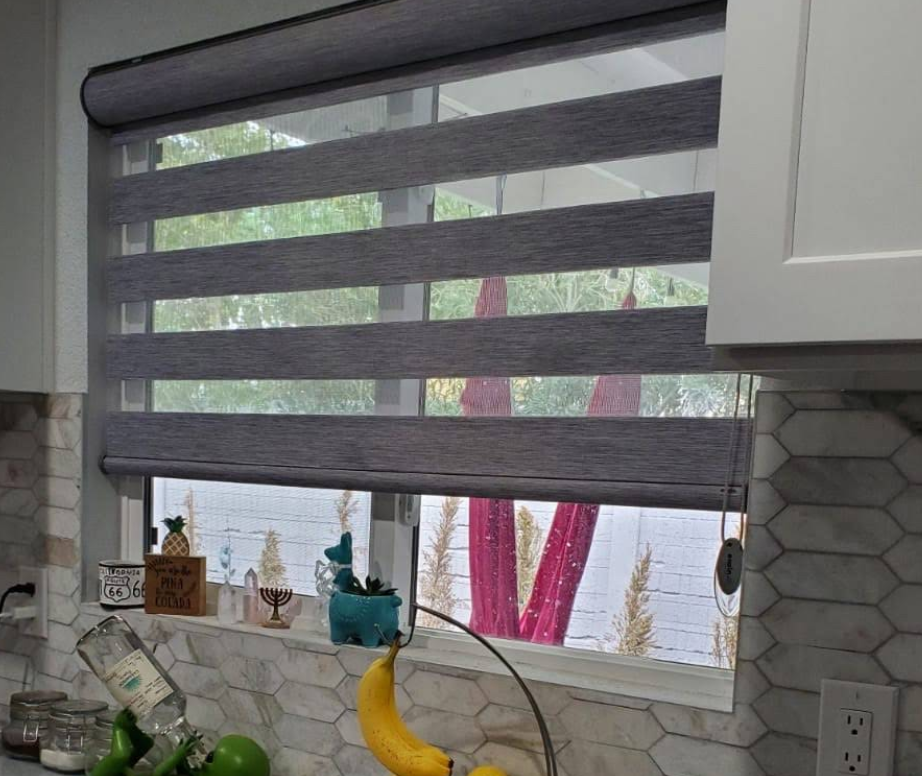
Balancing Winter Warmth With Las Vegas Summer Heat
A window treatment selected only for winter can create problems in summer. Las Vegas receives intense sunlight for much of the year, so the best solution often needs to address both heat gain and winter heat loss.
Cellular shades as a year-round option
Cellular shades can reduce direct heat exchange when closed, making them useful in both seasons. In winter, close them at night and open them during beneficial sunny periods. In summer, close them during direct sun. Motorized schedules can make this easier, depending on product availability.
Shutters for adjustable control
Shutters let occupants tilt louvers to admit indirect daylight while limiting direct sun. They do not create the same enclosed air pockets as cellular shades, but they provide durable year-round control.
Layering for severe exposures
A west-facing room may benefit from an exterior solar screen for summer and an interior cellular shade or curtain for winter. The two products solve different parts of the problem. Exterior changes may require HOA or property approval.
Using daytime sun in winter
On sunny winter days, opening south- and west-facing treatments can allow solar warmth into the room. Close them before the glass cools after sunset. Automated shades can support this routine, but manual operation can be equally effective when used consistently.
What Affects the Cost of Insulating Window Treatments?
Pricing depends on product, size, material, controls and installation. A small single-cell shade is different from a double-cell blackout shade with side tracks or a full shutter installation. A written quote should identify the exact product rather than using a vague energy-efficient-shades description.
Window size
Wider and taller openings require more material and stronger hardware.
Cell construction
Single-cell, double-cell and specialty insulating fabrics differ in weight and cost.
Fabric opacity
Light-filtering, room-darkening and blackout options use different materials.
Mounting method
Inside and outside mounts have different measurement and installation requirements.
Controls
Cordless, continuous-loop and motorized systems vary in hardware and complexity.
Side tracks or channels
Specialty accessories can improve coverage but add components.
Window height and access
High windows, stairways and obstructed openings may require additional equipment.
Removal of old treatments
Ask whether removal, disposal and patching are included.
Should You Clean, Repair, Upgrade or Replace Existing Treatments?
Cleaning may be enough
If the product fits well and operates properly, dust may be the only issue. Cellular shades usually require gentle dusting or low-suction vacuuming. Shutters and faux-wood blinds can often be wiped according to finish instructions.
Minor repair may be practical
Loose brackets, worn handles, detached end caps, remote batteries or minor alignment issues may be repairable. Internal lift problems and damaged cords require compatible parts and safe service.
Upgrade when the current product is too open
A standard blind may provide privacy but little insulation. Adding curtains, replacing it with a cellular shade or using an outside-mounted lined product can improve coverage.
Replace when fit or function is poor
Replacement may make sense when the shade leaves large gaps, fabric is damaged, the rail no longer stays level, parts are obsolete, cords create a safety concern or the product does not meet winter and summer comfort needs.
Detailed Buying Decision Guide
Identify whether the problem is cold glass or moving air
Stand near the window on a cold evening with the HVAC fan off. If the glass feels cold but there is no obvious air movement, radiant and convective heat loss may be the main issue. A close-fitting shade can help. If you feel a distinct stream of air around the sash or trim, weatherization should be investigated in addition to window coverings.
Prioritize the coldest rooms
Not every window needs the same treatment. Bedrooms, seating areas and home offices where people remain close to glass often benefit most. Hallways or rarely used rooms may not justify the same investment.
Measure the full opening
Record width at the top, middle and bottom, and height at several points. Note window locks, handles, sensors, trim and depth. A custom installer will take final measurements, but preliminary information helps identify likely mounting options.
Decide how much daylight you want
Light-filtering cellular shades keep rooms brighter, while room-darkening and blackout fabrics reduce more light. A cold bedroom may benefit from blackout cellular fabric, while a living room may need a lighter material.
Consider top-down bottom-up operation
Top-down bottom-up cellular shades can preserve privacy and daylight, but opening the top exposes glass and reduces the insulating coverage at that moment. They are flexible rather than continuously maximum-performing.
Plan an operating routine
Close insulating shades before the outside temperature drops. Open sunny exposures during the day when solar warmth is useful. Reclose them before sunset. Consistent use matters more than owning a high-performance product that remains open.
Coordinate with HVAC airflow
Do not cover supply registers, returns or wall heaters with curtains. Trapped heat can damage fabric and reduce system performance. Shade and drapery dimensions should account for nearby vents.
Watch for condensation
Tight window coverings can make the glass colder because less room heat reaches it. In some homes, this may increase condensation. Monitor moisture, ventilate appropriately and avoid allowing fabric to remain wet against glass.
Layer only when it remains usable
A cellular shade plus curtains can perform well, but the combination must remain easy to open, clean and maintain. Heavy layers that are difficult to operate may stay open and provide little real benefit.
Compare whole-home consistency
Different rooms may use cellular shades, shutters and curtains, but exterior-facing colors and rail heights can be coordinated. Consistency matters in street-facing windows and HOA communities.
Document the product
Keep the fabric name, color, control type, dimensions and warranty paperwork. This makes future service and replacement easier.
Set realistic expectations
Window treatments can improve comfort and reduce heat transfer, but they are one part of the building envelope. Efficient windows, intact seals, weatherstripping, insulation and HVAC performance all contribute to the result.
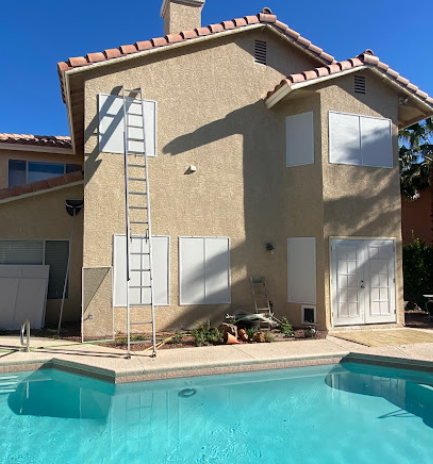
Advanced Planning for Better Winter Comfort
Use the coldest night as the test condition
Many window coverings feel adequate during a mild afternoon but underperform after several hours of cold weather. Evaluate the room after sunset, when the glass has cooled and the heating system has cycled. Sit where occupants normally sit and note whether the discomfort comes from one window, an entire wall of glass or a sliding door.
Separate air leakage from surface chill
A tissue held near the frame may move when air enters through a gap, but it can also move because cooled air is descending from the glass. The distinction matters. Weatherstripping, caulk or window repair addresses leakage; a shade primarily addresses heat transfer and air circulation inside the room. Some homes need both.
Choose the mounting style before choosing fabric
Buyers often start with color and texture, yet mounting can have a larger effect on coverage. An outside-mounted cellular shade that overlaps the opening may provide better winter comfort than an inside-mounted shade in the same fabric. Conversely, a deep and square opening may support a very close inside fit with a cleaner appearance.
Plan around window hardware
Locks, cranks, handles and alarm contacts can prevent a shade from sitting close to the glass. The installer may need spacer blocks, a different bracket position or an outside mount. Ignoring these details can create an expensive shade that rubs, tilts or leaves unnecessary gaps.
Consider side tracks only where appropriate
Side channels can reduce edge gaps on selected products, but they add visual weight, cleaning surfaces and installation requirements. They may be useful in bedrooms or media rooms where room darkening and winter coverage are both important. They may be unnecessary in a casual living room where a softer appearance matters more.
Think about the top of drapery
Warm air can enter behind curtains from above and fall after it cools near the glass. Ceiling-mounted tracks, cornices, pelmets or close wall returns can reduce this circulation. Decorative rods mounted far from the wall may look attractive but provide less control of the air loop.
Protect fabrics from condensation
When a treatment reduces room heat reaching the glass, the glass can become colder. If indoor humidity is high, moisture may collect. Keep fabric from remaining wet, use bathroom and kitchen ventilation, and investigate recurring condensation. Persistent water can stain fabrics and damage frames.
Use automation strategically
Motorized shades can close before sunset and open after sunrise. This is helpful for tall windows and whole-home routines. Automation should remain easy to override because cloudy days, guests and changing seasons may require different positions.
Coordinate bedrooms and daytime rooms differently
Bedrooms often benefit from blackout cellular shades or layered curtains because darkness and privacy are already desired. Living rooms may need light-filtering fabric to avoid feeling closed. A whole-home project does not require identical fabric everywhere; coordinated colors can maintain consistency while performance changes by room.
Evaluate sliding doors as a separate category
Sliding doors combine large glass area with frequent access. Heavy curtains may be effective but must move easily. Vertical cellular shades can provide insulation but require a track and clear stacking space. Panel tracks are visually clean but may not seal as closely. The best product is the one occupants will actually close every night.
Do not block beneficial winter sunlight
South- and west-facing windows can provide useful solar warmth during the day. Insulating shades should be opened when sunlight is helping and closed before the room begins losing that heat. A permanently closed shade may improve nighttime insulation while sacrificing free daytime warmth.
Match maintenance to the household
Cellular shades need gentle care, shutters require regular louver dusting and curtains may need periodic laundering or professional cleaning. A highly insulating product that is difficult for the household to maintain may not remain attractive or functional. Maintenance should be part of the buying decision.
Review the installation after the first cold spell
After installation, inspect the shade during cold weather. Confirm that rails stay level, the bottom reaches the intended point and curtains close without being held away from the wall by furniture. Small adjustments to stops, rod placement or furniture position can improve performance.
Keep expectations tied to the whole building
Window treatments can improve comfort, but the result also depends on window type, frame material, wall insulation, roof insulation, air sealing and HVAC distribution. A cold room with several building-envelope problems may improve without becoming identical to an interior room. Balanced recommendations acknowledge that limitation.
Las Vegas Local Conditions
Cold-window complaints in Southern Nevada often occur at night, during dry winter wind or in rooms with large west- and north-facing glass. Desert temperature swings can be substantial, so a room that felt warm in afternoon sun may cool quickly after sunset.
Large homes in Summerlin, The Ridges, Red Rock Country Club, Southern Highlands and MacDonald Highlands may have tall windows that require motorized or professionally accessible treatments. Older homes in central Las Vegas, Winchester and Downtown Las Vegas may have shallow frames or aging windows where outside mounting provides better coverage.
Desert dust affects every product. Cellular folds should be maintained gently, while shutter louvers and blind slats require regular dusting. Dark fabrics may show pale dust; light fabrics may show fingerprints. Cleaning requirements should be considered before ordering.
HOA communities may regulate exterior solar screens and visible backing colors. Interior shades usually provide more flexibility, but street-facing appearance can still matter. Property owners should review current community rules before making exterior changes.
The company serves Las Vegas, Summerlin, Spring Valley, Enterprise, Paradise, North Las Vegas, Henderson, Centennial Hills, Skye Canyon, Mountains Edge, Green Valley, Anthem, Seven Hills, Inspirada and nearby Clark County communities from its Las Vegas location.
Questions to Ask Before Hiring a Window-Covering Company
- Which treatment is best for reducing cold near this exact window?
- Is the recommendation based on fit, material or both?
- Is the cellular shade single-cell or double-cell?
- Is the fabric light-filtering, room-darkening or blackout?
- What side and bottom gaps should I expect?
- Would an outside mount improve coverage?
- Is the opening deep enough for an inside mount?
- Would side tracks or layered curtains help?
- Will the treatment work for Las Vegas summer heat too?
- Can the product be motorized or scheduled?
- Is the control cordless?
- How should the product be cleaned?
- Does the quote include measurement and installation?
- Does it include removal of old window coverings?
- Will the treatment interfere with handles, locks or HVAC vents?
- Can I see samples in the room's actual daylight?
- Are manufacturer performance documents available?
- What warranty documents apply?
- Will I receive a written estimate before ordering?
- Should an actual air leak be repaired before installation?
Red Flags When Shopping for Cold-Blocking Window Treatments
- Guaranteed heating-cost savings without product-specific evidence.
- Claims that a shade will repair a leaking or failed window.
- No measurement of side, top and bottom gaps.
- No discussion of inside versus outside mounting.
- Every product is described as equally insulating.
- No explanation of single-cell versus double-cell construction.
- Blackout fabric is presented as automatically airtight.
- No consideration of Las Vegas summer sun.
- No product samples or written specifications.
- Unsupported R-values or energy percentages.
- No child-safety discussion.
- No cleaning instructions.
- Quote changes without explanation.
- No clear local business identity or Google Maps presence.
- Pressure to order before the actual window problem is understood.
Why Consider Las Vegas Blinds, Solar Screens & Shutters Window Coverings Center?
Las Vegas Blinds, Solar Screens & Shutters Window Coverings Center is a local option for homeowners, landlords, property managers, investors and businesses that want to compare custom-fit products for both winter comfort and desert heat.
The team can help evaluate cellular shades, plantation shutters, Roman shades, roller shades, solar screens, blackout products, motorized shades and layered treatments. A useful consultation considers whether the problem is cold glass, edge gaps, true air leakage, direct summer sun or a combination.
Call (702) 237-4401 to ask about current measurement and consultation availability. You can also request a window-covering consultation, review cellular shades in Las Vegas, browse the window-covering product catalog, or find the business on Google Maps.
Business owners comparing commercial options may also read the previous guide to custom storefront shades.
Areas Served
The business serves customers across Las Vegas and nearby Clark County communities from its Valley View Boulevard location. Service in a neighborhood does not imply a separate office there.
Frequently Asked Questions
What window treatment is best for keeping cold out?
Tightly fitted cellular shades are usually the strongest interior option because their honeycomb cells trap air. Double-cell construction, close mounting and side tracks may improve performance depending on the product.
Do blinds keep cold out?
Blinds can reduce direct exposure to glass, but air passes through the slat gaps. Cellular shades, lined Roman shades, shutters or curtains generally provide better cold-weather coverage.
Are plantation shutters good for insulation?
Shutters create a solid interior barrier and can improve comfort near windows. They are not airtight, but they offer durable year-round privacy and light control.
Do blackout shades keep a room warmer?
Blackout fabric blocks light through the material, but insulation depends on construction and fit. A blackout cellular shade usually provides more insulating structure than a standard flat blackout roller shade.
Should insulating shades be inside-mounted or outside-mounted?
Inside mounts look built in but leave small side gaps. Outside mounts can overlap the frame and improve coverage. The best choice depends on depth, trim, window squareness and desired appearance.
Can window treatments fix a drafty window?
They can reduce air circulation and cold discomfort, but they do not repair damaged weatherstripping, failed seals, loose frames or missing caulk. Actual leaks should be inspected and corrected.
Are cellular shades useful in Las Vegas year-round?
Yes. They can improve winter comfort when closed at night and help manage heat when closed during direct summer sun. Results depend on product, fit, glass and how consistently the shade is used.
How can I request a consultation in Las Vegas?
Call Las Vegas Blinds, Solar Screens & Shutters Window Coverings Center at (702) 237-4401 to ask about current consultation, measurement and installation availability.
Find the Las Vegas Location
Las Vegas Blinds, Solar Screens & Shutters Window Coverings Center is located at 3871 S Valley View Blvd #6, Las Vegas, NV 89103. Call before visiting to confirm current availability.
Compare Window Treatments for Cold Las Vegas Nights
Call Las Vegas Blinds, Solar Screens & Shutters Window Coverings Center at (702) 237-4401 to compare cellular shades, shutters, lined shades and layered treatments for windows that feel cold or drafty.